What Support Might Someone Need After Leaving Hospital?
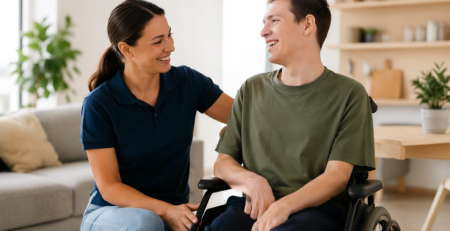
mycomm2026-04-01T12:34:20+11:00Leaving hospital is often an important step toward recovery, but returning home or back into the community can sometimes feel overwhelming. For many people, especially those living with disability or ongoing health needs, the period after discharge may require additional support to help daily life run smoothly.
Hospital stays can interrupt routines, and adjusting back to everyday life may take time. Having the right support in place can make this transition easier and help people regain confidence in their independence.
Returning to Daily Routines
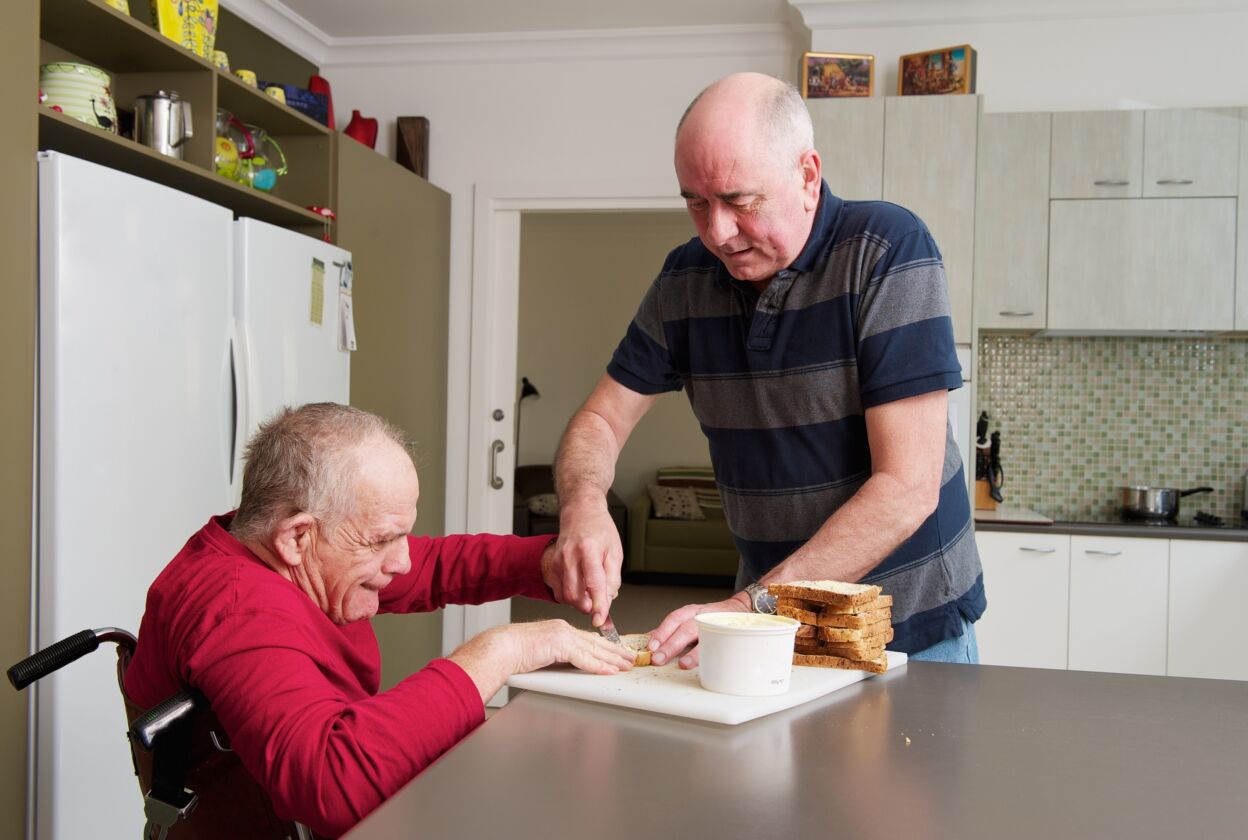
One of the first challenges after leaving hospital is returning to normal routines. Tasks that previously felt simple, such as preparing meals, maintaining personal care, or managing household responsibilities, may temporarily feel more difficult.
Support with daily living tasks can help people ease back into their routines at a comfortable pace while maintaining safety and wellbeing at home.
Getting to Appointments and Follow-Up Care
After a hospital stay, people often need to attend follow-up medical appointments, therapy sessions, or other health-related visits. Reliable transport support can help ensure these appointments are not missed and that recovery continues without interruption.
Transport assistance can also support people in reconnecting with their community, attending work, or participating in activities that are important to them.
Ensuring the Home Environment Is Safe
Sometimes small adjustments at home can make a significant difference after a hospital stay. Home modifications or assistive equipment can help improve safety, mobility, and confidence while moving around the home.
These changes may include simple modifications that make everyday activities easier and reduce the risk of injury.
Accommodation and Short-Term Support
In some situations, returning directly home may not be the best option straight away. Temporary accommodation or respite arrangements can provide a safe and supportive environment while longer-term plans are organised.
Having access to these options can help ensure people are supported during periods of adjustment or recovery.
Building Confidence and Independence Again
Recovery is not only physical. Rebuilding confidence in daily activities, routines, and community participation is also important.
Life skills support and mentoring can help individuals gradually regain independence, rebuild routines, and feel more comfortable returning to everyday life.
How My Community Services Supports Participants
At My Community Services, we provide a range of supports that can assist people during periods of change or recovery. These supports may include:
Personal care and daily living support
Transport to medical appointments and community activities
Accommodation options including respite and short-term stays
Home modifications to support safety and accessibility
Nursing support when required
Life skills development and mentoring
Social and community activities
Support can be provided in a participant’s own home or within supported accommodation, depending on individual needs.
Moving Forward with the Right Supports
Every person’s recovery journey is different. With the right support in place, individuals can gradually return to their routines, regain confidence, and continue working toward their personal goals.
Practical assistance, clear communication, and consistent care can make a meaningful difference during this transition.
📞 1300 514 514
📱 0450 750 795
📧 info@mycommunity.care
🌐 https://mycommunity.care
If you would like to discuss your situation or explore support options, our team is available to guide you through the next steps.
📞 1300 514 514
📱 0450 750 795
📧 info@mycommunity.care
🌐 https://mycommunity.care/